
Get treatment for all your mental healthcare needs.
Our services
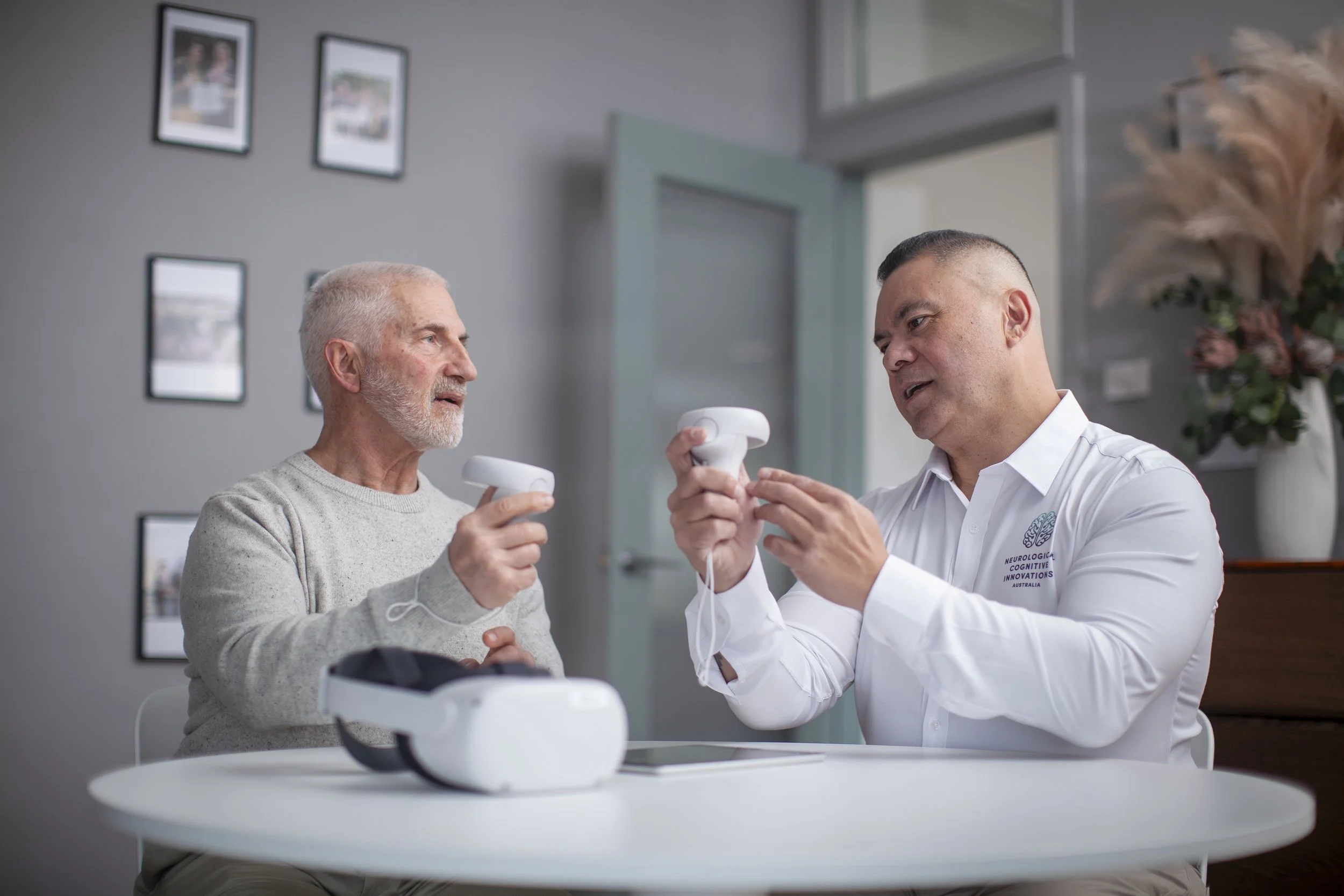
Virtual Reality (VR) therapy leverages immersive, interactive environments to enhance cognitive development, including hand-eye coordination, by providing tailored, engaging interventions. A detailed outline of its benefits includes:
Enhanced Engagement
VR’s vivid, multisensory simulations captivate attention and motivation, crucial for individuals with developmental disorders like autism or ADHD. For example, virtual games requiring precise hand movements (e.g., grabbing objects) stimulate focus and cognitive processing.
Safe Skill Practice
VR offers a controlled, risk-free space to practice cognitive and motor skills. Individuals can refine hand-eye coordination through tasks like virtual sports or puzzles, while simultaneously honing decision-making or social skills, without real-world consequences.
1. Personalised Interventions
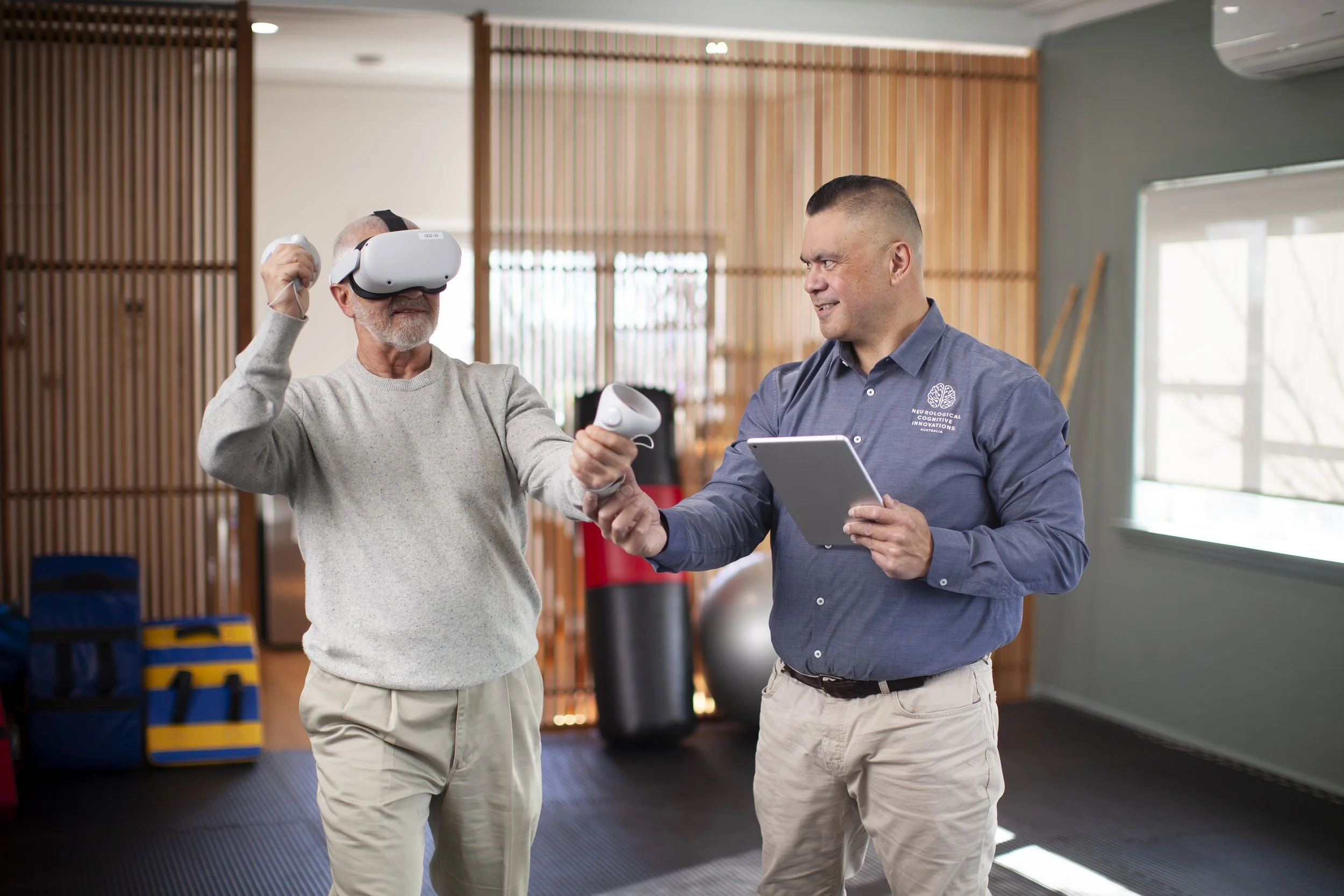
VR programs adapt to individual needs, targeting specific cognitive deficits (e.g., memory, attention) and motor skills like hand-eye coordination. For instance, stroke patients can practice coordinated movements in tailored virtual scenarios, with difficulty levels adjusting in real-time.
2. Neuroplasticity Support
Interactive VR tasks, such as manipulating virtual objects, stimulate neural pathways, promoting brain reorganiation. This aids cognitive and motor recovery in individuals with brain injuries or neurodegenerative conditions, enhancing both mental and physical coordination.
3. Social and Emotional Growth
VR simulates social interactions or emotional challenges (e.g., navigating crowded virtual spaces), helping individuals with anxiety or autism develop coping strategies, social understanding, and coordinated responses under guided conditions.
By integrating immersive technology with cognitive and motor challenges, VR therapy fosters cognitive development and hand-eye coordination, delivering personalized, engaging interventions to improve mental, motor, and adaptive skills across diverse populations, from children with developmental delays to adults recovering from neurological impairments.